
Understanding sleep and difficult nights
A difficult night cannot be summed up by a number on a watch. Trouble falling asleep, awakenings, tiredness, changing schedules or snoring: Somneloa helps you understand what these signs may mean, what they cannot prove and when professional advice matters.
Evidence-informed explanations, clearly written and honest about uncertainty.
Every week, discover a new article to explore your questions and spark your curiosity.
Understand your sleep, live your nights better.
Information to help you understand your nights
We start with real questions and compare guidance, available evidence and everyday situations. Our aim is not to promise perfect sleep, but to separate useful information from misconceptions, with identifiable sources and clear limits.
Browse topics from sleep mechanisms to nighttime problems, bedding and medical tests. For a gentler experience, My Sleep Cocoon offers soundscapes and comfort tools, not a medical treatment.
A question about your nights
Search for a topic, difficulty or term you want to understand: insomnia, tiredness, naps, snoring or sleep patterns.
Explore the topics
Choose the section that matches your question. Each topic brings together complementary articles so you can move forward without having to read everything.
Discover more
Discover recently published articles and explore other questions about sleep.

When to seek help
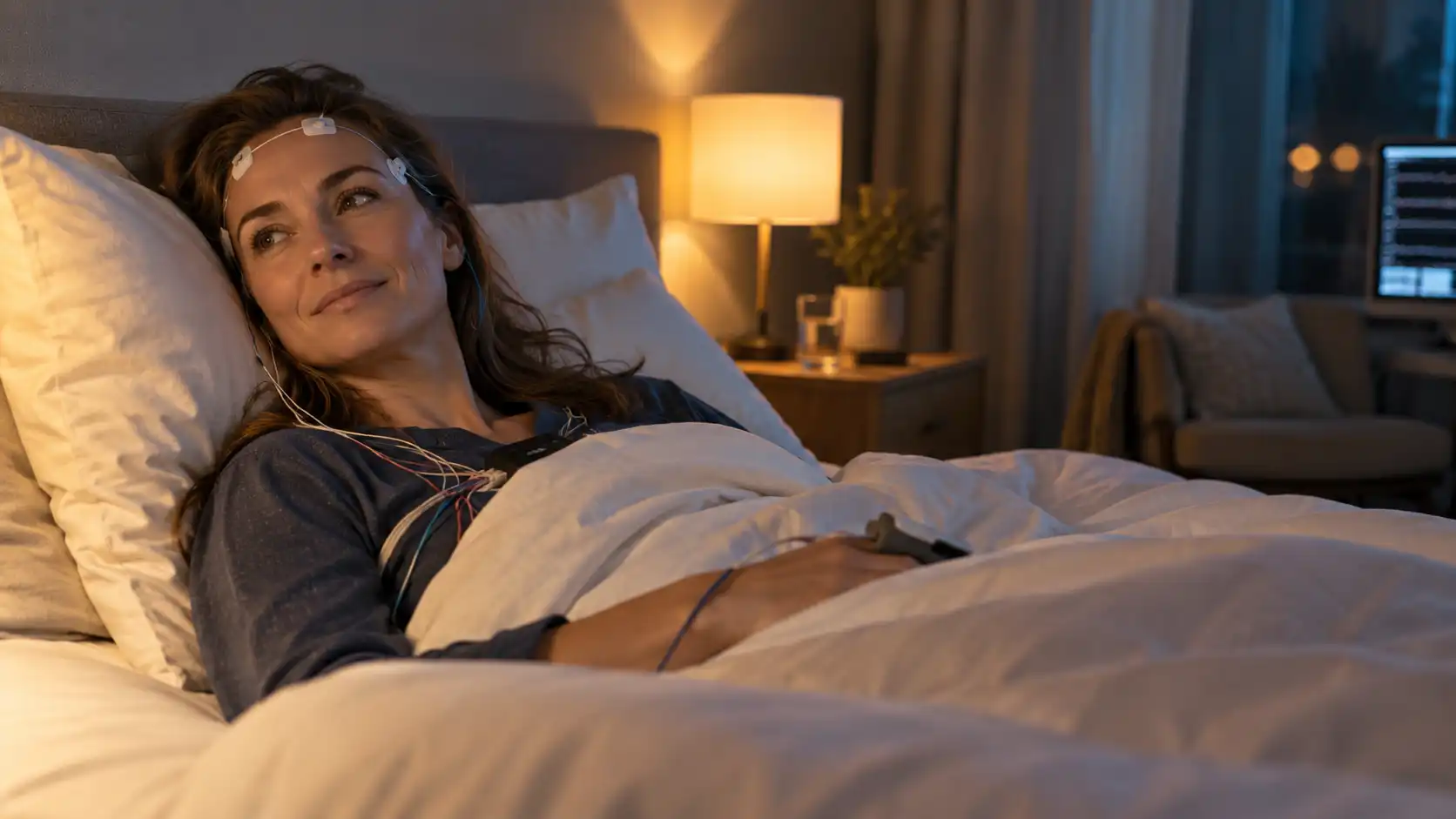
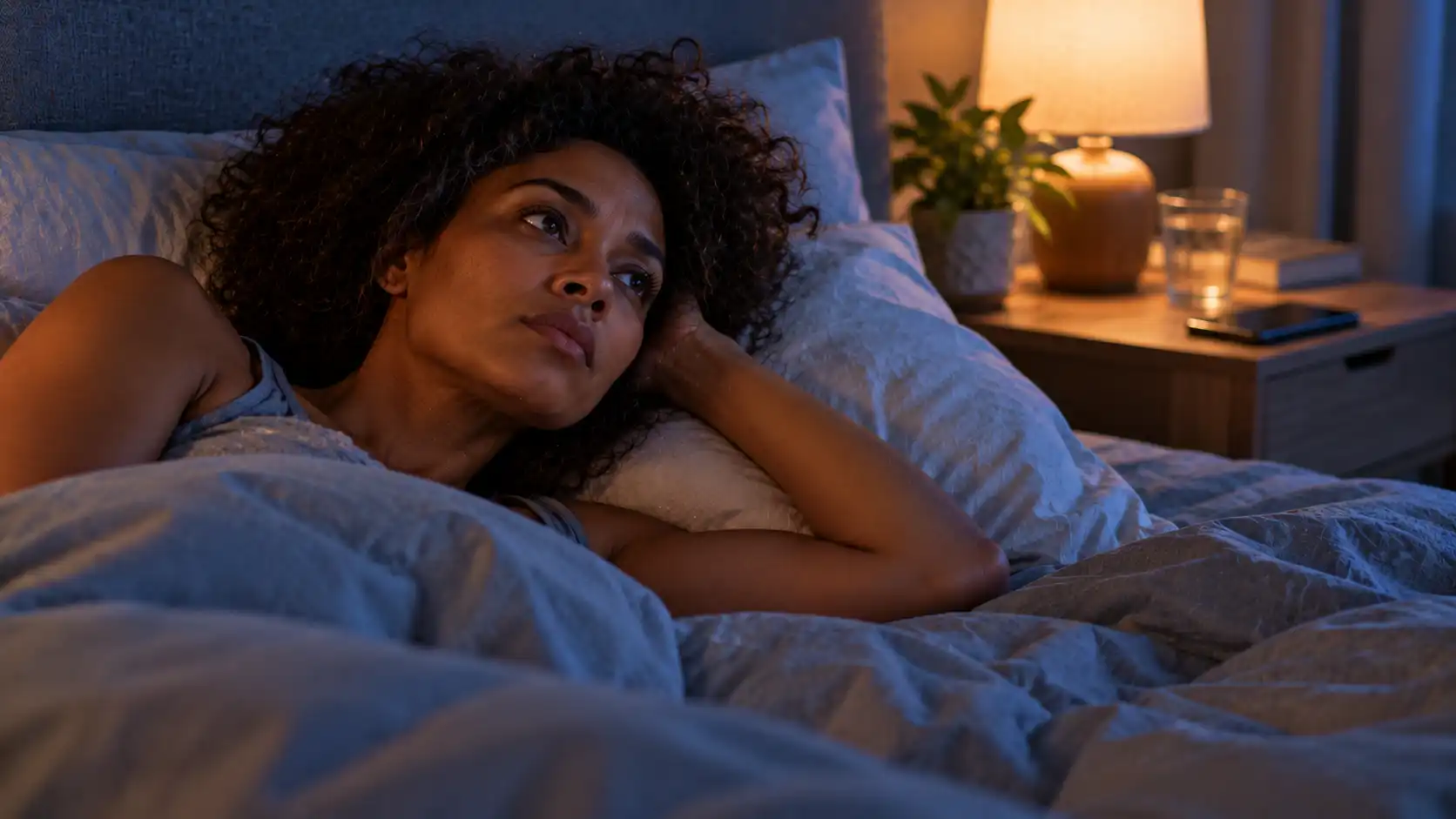
If your difficulties persist, disrupt your days or come with observed pauses in breathing, speak to a healthcare professional. Do not drive if you are sleepy. Someone who is unresponsive and not breathing normally needs emergency help: call 15 or 112 in France.
Sleep in figures
7 h 32 min
Average reported sleep time
over 24 hours in adults
aged 18 to 79.*
21.5%
Of adults are classified
as short sleepers,
with 6 hours of sleep or less.*
33.1%
Around 1 in 3 adults
reports difficulty falling asleep
or night-time awakenings.*
37.7%
Of women report symptoms
of insomnia, compared with 28.2%
of men.*
Self-reported data collected from adults aged 18 to 79 in France. Reporting insomnia symptoms does not necessarily mean a medical diagnosis.
Understand your sleep,
live your nights better.