
Can you have sleep apnea without snoring?
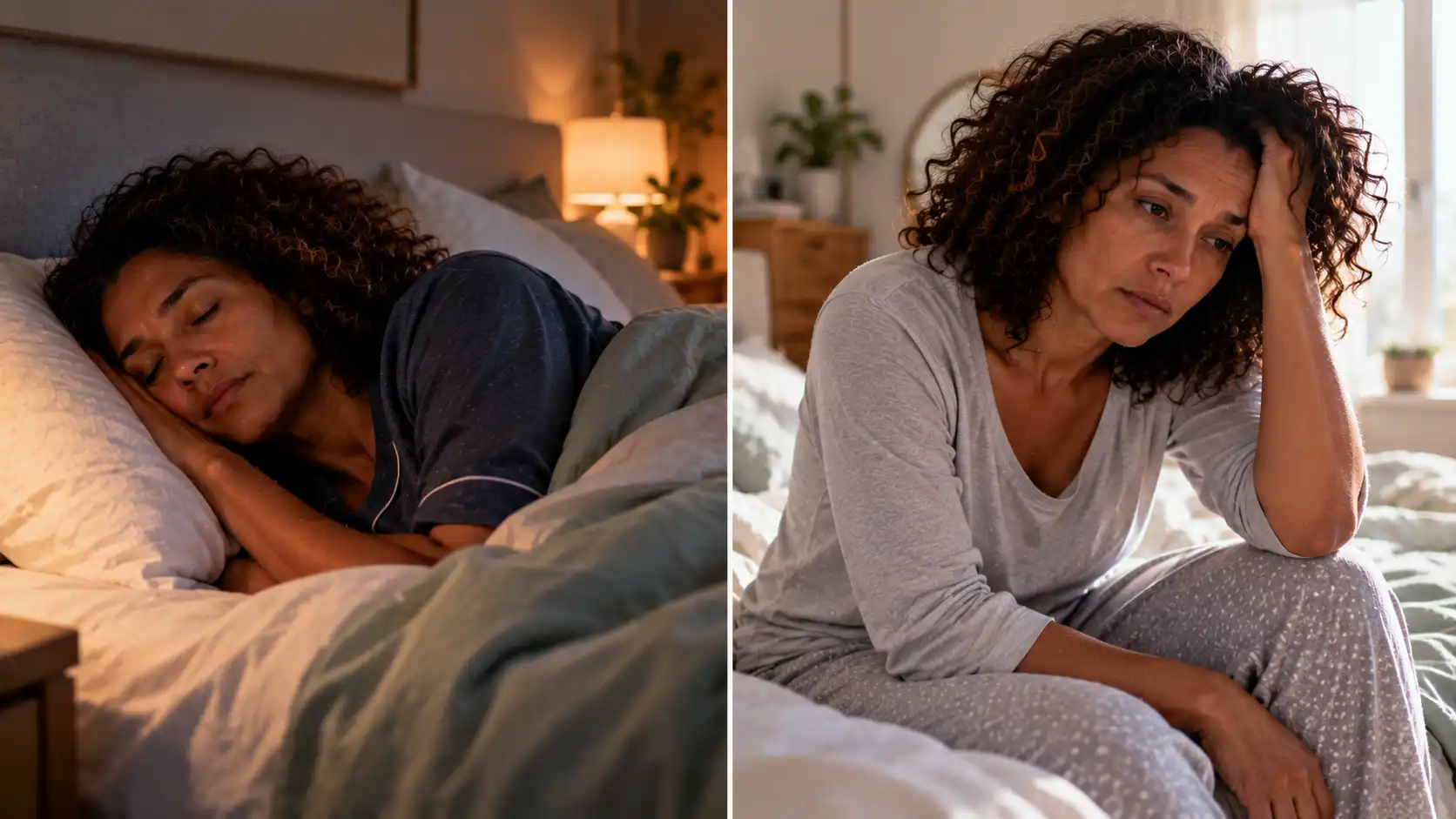
Yes. Snoring is common in obstructive sleep apnea, but it is not always present or noticed. Sleepiness, observed breathing pauses or unrefreshing sleep can warrant assessment even without loud snoring.
Important
Important: Not noticing snoring does not exclude sleep apnoea. Other symptoms and, when needed, testing matter more.
The sound of snoring alone is not a reliable screening test. The absence of night-time observation or recorded noise does not rule out a respiratory problem.
Snoring is a clue, not a requirement
In obstructive apnea, breathing is hampered by repeated obstruction of the airway during sleep. The sound of snoring may vary or not be noticed. There are also central apneas, which are related to the control of breathing: therefore, all apneas are not just obstruction.
The related guide Sleep apnea: which symptoms should raise concern? explains breathing symptoms at night and their daytime effects.
Why Some People Go Unnoticed
Someone who lives alone may have nobody to notice breathing pauses. In other people, daytime symptoms such as fatigue, difficulty concentrating or changes in mood are more prominent.
Other signs that may help guide assessment
Possible signs include waking with gasping or choking, dry mouth, morning headaches, a need to urinate at night, restless sleep and excessive sleepiness. None is specific to sleep apnea on its own.
The related guide Daytime sleepiness: when is it a problem? explains involuntary dozing, assessment and safety precautions.
Screening is based on the overall risk
The doctor considers symptoms, context and risk factors before recommending a test. A lack of audible snoring should not end the assessment if other signs suggest a breathing disorder.
Describe the signs even without snoring
If you sleep alone, describe any awakenings with gasping or choking and how alert you feel during the day. A lack of known snoring does not remove the need for assessment when other symptoms suggest sleep apnea.
The related guide Daytime sleepiness: when is it a problem? explains involuntary dozing, assessment and safety precautions. The article Sleep apnea: which symptoms should raise concern? explains breathing symptoms at night and their daytime effects.
Sleep apnea is often associated with loud snoring. This familiar picture may obscure other experiences, particularly when fatigue or reduced alertness is the main concern. Those symptoms deserve attention without being automatically attributed to sleep apnea. The assessment helps distinguish possible causes and determine whether testing is needed.
The related guide Breathing pauses during sleep: what should you do? explains observed breathing pauses and the distinction from an emergency. The article Home sleep apnea testing: what is respiratory polygraphy for? explains home breathing recordings and their limitations.
Frequently asked questions
Key takeaways
Sleep apnoea can occur without noticed snoring. Daytime symptoms may be the main reason for assessment, and the whole clinical picture matters. If you sleep alone, describe waking with gasping or choking and how alert you feel during the day. Lack of known snoring does not exclude a breathing problem when other symptoms suggest one.
Sources
Assurance Maladie — Apnée du sommeil symptômes et diagnostic — 2026
Last editorial check: October 2026
Partagez cet article, choisissez votre plateforme !
 Numa Costa
The pen name under which I write articles and develop my editorial websites. Curious by nature, I like to understand how things work, explore everyday questions and make information easier to understand and use.
→ More about the author
Related Posts




Understand your sleep,
live your nights better.